Enhancing Siri: Apple’s Ambitious Plans at WWDC
As the Worldwide Developers Conference (WWDC) approaches, Apple enthusiasts and industry insiders are abuzz with anticipation over the expected enhancements to Siri, Apple’s voice assistant. In a bid to reclaim its position in the competitive AI landscape, dominated by newer, more dynamic assistants like ChatGPT, Apple is reportedly set to unveil major upgrades to Siri that aim to significantly improve its functionality and user interaction.
The Need for Siri’s Overhaul

For years, Siri has been a cornerstone of Apple’s ecosystem, integrated across iPhones, iPads, Macs, and Apple Watches. Despite its wide usage, Siri has often been criticized for lagging behind its counterparts like Google Assistant in terms of understanding and executing complex commands. This gap has only widened with the advent of next-generation AI technologies that offer more nuanced and context-aware interactions.
What to Expect from Siri at WWDC
The upcoming updates to Siri are expected to focus on several key areas:
Enhanced Understanding and Responsiveness

Apple plans to revamp Siri’s underlying technology to improve its speech recognition and processing capabilities. This involves advanced machine learning models that can better understand the context and subtleties of user queries, providing responses that are not only accurate but also contextually relevant.
Integration with More Services

Expanding Siri’s capabilities to seamlessly integrate with a wider range of apps and services is another anticipated update. This would make Siri a more versatile assistant, capable of performing a broader array of tasks such as booking reservations, finding recipes, or even offering personalized shopping suggestions based on user preferences and past behavior.
Privacy-Focused AI

Apple has consistently emphasized user privacy, and the enhancements to Siri are expected to continue this tradition. By processing more tasks directly on the device rather than in the cloud, Apple aims to minimize data exposure while still improving Siri’s functionality. This local processing approach not only helps in safeguarding user privacy but also reduces latency, making Siri faster and more reliable.
More Proactive Assistance

Siri is also rumored to become more proactive in assisting users, similar to Google Assistant’s approach but with an Apple twist. By analyzing user habits and routines, Siri could offer timely suggestions and reminders, enhancing daily productivity and ensuring seamless interaction with connected devices.
The Broader Impact

These enhancements are not just about catching up with competitors; they represent Apple’s broader strategy to reaffirm its commitment to innovation and user experience. Improving Siri also bolsters the appeal of Apple’s broader ecosystem, encouraging deeper integration of Apple products and services in users’ lives.
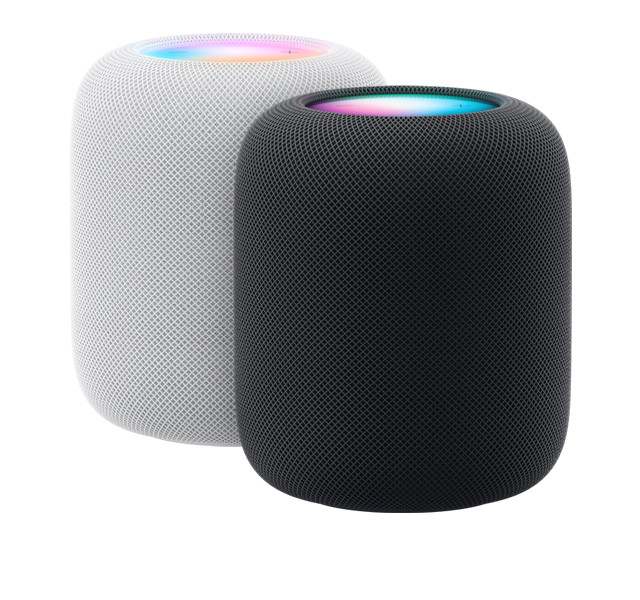
Furthermore, a more capable Siri enhances Apple’s position in the burgeoning field of smart home technology, where voice commands are increasingly becoming the primary mode of interaction. As Apple continues to expand its product line in areas such as augmented reality and wearable technology, a smarter Siri is crucial for ensuring a cohesive and intuitive user experience across all devices.
Conclusion
The reported focus on making Siri “suck less” at this year’s WWDC is a candid acknowledgment by Apple of the need for its voice assistant to evolve. As AI continues to redefine user expectations, Apple’s investment in Siri is a clear indicator of its strategy to not just participate but lead in the AI revolution. For Apple users and tech enthusiasts, the upcoming WWDC promises to be a pivotal event that could redefine the role of voice assistants in our digital lives.
 Big Dave Novak